

The Rise of T20 Cricket and Its Impact on Modern Sports
Introduction
Cricket has evolved dramatically over the last two decades. While traditional formats like Test cricket and One Day Internationals (ODIs) built the sport’s foundation, the introduction of Twenty20 (T20) cricket transformed the way the game is played, watched, and marketed worldwide.
Fast-paced matches, explosive batting, and shorter match durations have turned T20 cricket into one of the most commercially successful formats in modern sports. It attracts new audiences, younger fans, and massive broadcasting deals, reshaping the global cricket landscape.
What Is T20 Cricket?
T20 cricket is the shortest official format of the game, designed to deliver maximum entertainment within a limited time.
Key Characteristics
- Each team plays 20 overs (120 legal balls)
- Matches typically last about three hours
- Emphasis on aggressive batting and innovative bowling
- Field restrictions encourage high scoring games
The format was first introduced in 2003 in England to boost declining attendance in domestic cricket. Its success quickly led to international adoption and global tournaments.
Why T20 Cricket Became So Popular
Several factors contributed to the rapid growth of T20 cricket across the world.
1. Shorter Match Duration
Modern audiences often prefer quick entertainment. Unlike Test matches that last five days, T20 games deliver excitement in a single evening.
2. Entertainment Value
T20 cricket emphasizes:
- Big sixes
- Fast scoring
- Dramatic finishes
- Creative shots and tactics
This style keeps fans engaged throughout the match.
3. Franchise-Based Leagues
Domestic T20 leagues introduced city-based franchises, which strengthened fan loyalty and increased global player participation.
Major leagues include:
- The Indian Premier League (IPL)
- Big Bash League (Australia)
- Pakistan Super League (PSL)
- Caribbean Premier League (CPL)
These tournaments bring together international stars and local talents, creating a global spectacle.
4. Broadcast and Digital Appeal
T20 cricket fits perfectly with modern broadcasting and streaming platforms. Short matches generate high television ratings and social media engagement.
How T20 Changed the Way Cricket Is Played
The format forced players to develop new skills, strategies, and fitness standards.
Innovative Batting Techniques
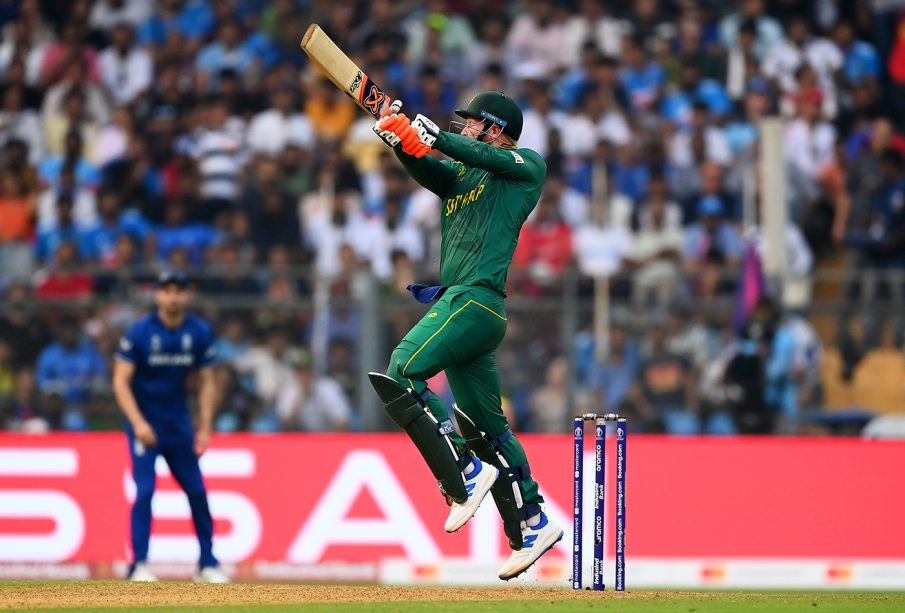
Batsmen now use unconventional shots such as:
- Reverse sweep
- Ramp shot
- Switch hit
- Helicopter shot
These techniques help players score runs even against tight bowling.
Specialized Bowling Strategies
Bowlers have adapted by introducing variations:
- Slower balls
- Yorkers
- Wide line deliveries
- Knuckle balls
These tactics aim to disrupt the rhythm of aggressive batsmen.
Importance of Fielding
Fielding has become faster and more athletic. A single save at the boundary can change the outcome of a match.
Economic Impact of T20 Cricket
The financial influence of T20 leagues has been enormous.
Revenue Streams
T20 competitions generate income through:
- Broadcasting rights
- Sponsorship deals
- Ticket sales
- Merchandise
- Digital streaming platforms
Top players can earn multi-million-dollar contracts in franchise leagues.
Global Opportunities for Players
T20 leagues allow players from smaller cricketing nations to compete internationally, improving exposure and financial stability.
Challenges and Criticism
Despite its popularity, T20 cricket has also faced criticism.
Concerns from Traditionalists
Some critics believe the format:
- Reduces the importance of technique
- Prioritizes entertainment over skill
- Overshadows traditional formats
Player Workload
With multiple leagues worldwide, players often face busy schedules and injury risks.
Balance Between Formats
Cricket boards must maintain a balance so that Test cricket and ODIs remain relevant.
The Future of T20 Cricket
The future of T20 cricket looks extremely promising. Innovations such as new leagues, improved analytics, and advanced broadcast technologies continue to expand the sport’s reach.
Emerging cricket nations are also adopting the format to grow the game faster. With its global appeal, T20 cricket is expected to remain a central pillar of the sport’s commercial success.
At the same time, administrators aim to preserve traditional formats to maintain cricket’s rich heritage.
Conclusion
T20 cricket has revolutionized the sport by making it faster, more entertaining, and globally accessible. Its explosive gameplay, commercial success, and international fan base have turned it into a major force in modern sports.
While debates about its impact on traditional formats continue, there is no denying that T20 has redefined how cricket is played, consumed, and celebrated worldwide.
FAQ
1. When was T20 cricket officially introduced?
T20 cricket was first introduced in 2003 by the England and Wales Cricket Board (ECB) as a domestic competition format.
2. Why is T20 cricket more popular among younger audiences?
Its short match duration, fast scoring, and entertainment-focused gameplay make it easier for younger audiences to follow and enjoy.
3. Which country hosts the most successful T20 league?
The Indian Premier League (IPL) is widely considered the most successful T20 league due to its global viewership and financial scale.
4. How does T20 cricket affect player training?
Players focus more on power hitting, agility, fielding speed, and specialized bowling variations.
5. Can T20 skills help players succeed in other formats?
Yes. Skills like strike rotation, fielding excellence, and innovative batting can improve performance in ODIs and even Test cricket.
6. How long does a typical T20 match last?
Most matches last around three hours, similar to many other professional sports events.
7. Is T20 cricket included in international tournaments?
Yes. The ICC T20 World Cup is a major international tournament featuring teams from around the world.


