Modern Bathroom Lighting Ideas for Style and Function
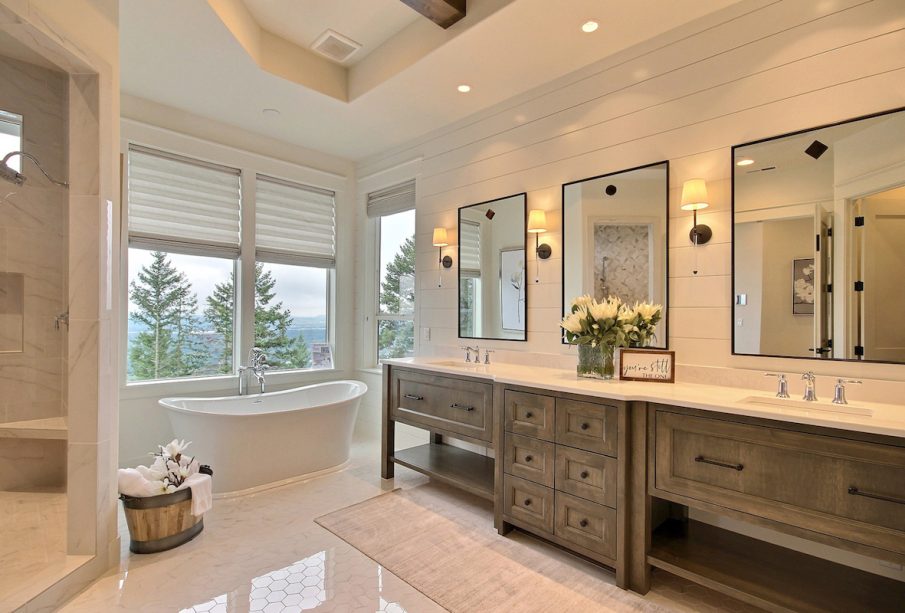
Lighting plays a central role in modern bathroom design. Beyond simple visibility, the right lighting enhances functionality, highlights architectural features, and creates a comfortable atmosphere. A well-lit bathroom balances task lighting, ambient lighting, and decorative elements to achieve both style and practicality.
Today’s modern bathrooms often combine sleek fixtures, energy-efficient technology, and thoughtful placement to create a space that feels both relaxing and highly functional. With the right lighting strategy, even a small bathroom can feel brighter, larger, and more inviting.
Why Bathroom Lighting Matters
Bathrooms require more strategic lighting than many other rooms. Daily routines such as shaving, applying makeup, and grooming demand clear, even illumination.
Good bathroom lighting should:
- Provide clear visibility for tasks
- Reduce shadows around the face
- Enhance the overall aesthetic of the space
- Improve safety in wet environments
- Support energy efficiency
Modern lighting solutions combine these needs while adding visual interest and elegance.
Layered Lighting: The Key to Modern Bathroom Design
Professional designers often recommend layered lighting, which combines multiple types of light sources.
1. Ambient Lighting
Ambient lighting provides general illumination for the entire bathroom.
Common options include:
- Recessed ceiling lights
- Flush-mount LED fixtures
- Large ceiling panels
- Indirect LED strip lighting
Ambient lighting should distribute light evenly throughout the room, preventing dark corners.
2. Task Lighting
Task lighting focuses on areas where precision is required, especially around the mirror or vanity.
Effective task lighting options include:
- Vertical LED light bars beside mirrors
- Wall sconces at eye level
- Backlit mirrors
- Adjustable vanity lights
These lights reduce shadows and provide balanced illumination for daily grooming routines.
3. Accent Lighting
Accent lighting highlights design features or architectural details in the bathroom.
Examples include:
- LED strips under floating vanities
- Lighting inside shelving niches
- Backlighting around mirrors or bathtubs
- Spotlighting decorative tiles or artwork
Accent lighting adds depth and visual interest while maintaining a relaxing ambiance.
LED Mirrors: A Popular Modern Choice
LED mirrors have become one of the most popular bathroom lighting features. These mirrors integrate lighting directly into the frame or behind the glass.
Key advantages include:
- Shadow-free illumination
- Energy efficiency
- Sleek and minimalist appearance
- Touch or motion sensors
- Anti-fog technology
Many LED mirrors also allow adjustable brightness and color temperature, making them ideal for both daytime routines and nighttime use.
Statement Pendant Lighting
Pendant lighting is increasingly used in modern bathrooms to introduce style and personality. Instead of relying only on ceiling fixtures, designers often place pendant lights above vanities or bathtubs.
Benefits of pendant lighting include:
- Creating a focal point in the room
- Adding decorative flair
- Providing soft, focused lighting
- Complementing modern or minimalist interiors
Glass, metal, or geometric pendant designs work especially well in contemporary bathrooms.
Under-Cabinet and Indirect Lighting
Indirect lighting creates a soft glow that enhances the bathroom’s atmosphere without overwhelming the space.
Popular uses include:
- LED strips beneath floating vanities
- Lighting under cabinets
- Hidden ceiling cove lighting
- Illuminated bathtub bases
This type of lighting is particularly effective at night because it provides gentle visibility without harsh brightness.
Smart Lighting Technology
Modern bathrooms increasingly incorporate smart lighting systems that allow users to control brightness, color temperature, and schedules.
Smart lighting features may include:
- App-controlled lighting adjustments
- Voice assistant compatibility
- Motion-activated lights
- Adjustable warm and cool tones
- Energy-saving automation
For example, cool white lighting may be used during morning routines, while warmer tones can create a relaxing spa-like environment in the evening.
Choosing the Right Color Temperature
Color temperature plays a major role in bathroom lighting effectiveness.
Common ranges include:
- 2700K–3000K (Warm White): Relaxing and cozy atmosphere
- 3500K–4000K (Neutral White): Balanced lighting for daily use
- 5000K–6500K (Cool White): Bright light ideal for grooming tasks
Many modern lighting systems allow adjustable color temperatures to suit different needs throughout the day.
Tips for Planning Bathroom Lighting
To achieve the best results, consider these practical design tips:
- Position lights on both sides of the mirror to reduce facial shadows
- Combine multiple lighting layers rather than relying on one fixture
- Use moisture-rated fixtures suitable for bathrooms
- Choose dimmable lights to control brightness levels
- Match fixtures with the bathroom’s overall design style
Thoughtful placement and balanced lighting can transform a basic bathroom into a functional and stylish space.
Frequently Asked Questions (FAQs)
1. What type of lighting is best for bathroom mirrors?
Lighting placed on both sides of the mirror at eye level works best because it reduces shadows and provides even illumination for grooming tasks.
2. Are LED lights suitable for bathrooms?
Yes. LED lights are energy-efficient, long-lasting, and available in various brightness levels and color temperatures, making them ideal for bathroom environments.
3. How many lights should a bathroom have?
Most bathrooms benefit from at least three layers of lighting: ambient ceiling lights, task lighting near the mirror, and optional accent lighting for aesthetics.
4. Can pendant lights be used in small bathrooms?
Yes, as long as they are proportionate to the space and installed safely. Small pendants can add style without overwhelming the room.
5. Are dimmer switches useful in bathrooms?
Dimmer switches allow you to adjust brightness levels, which is helpful for creating different moods or reducing harsh light at night.
6. What safety considerations apply to bathroom lighting?
Bathroom lighting fixtures should be rated for moisture exposure and installed at safe distances from water sources like showers or bathtubs.
7. How can lighting make a small bathroom look bigger?
Bright ambient lighting, mirrored surfaces, and indirect LED strips can reflect light around the room, making the space appear larger and more open.