Functional Training: What You Need to Know
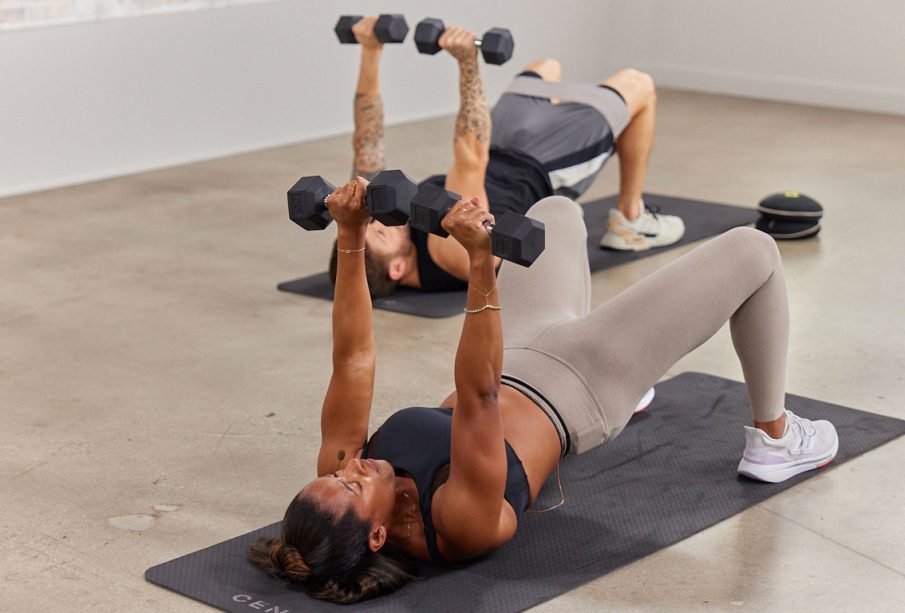
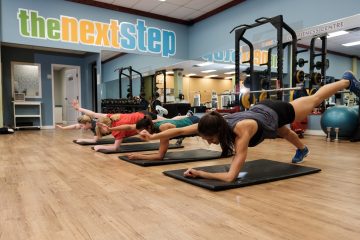
Functional training has gained widespread attention in the fitness world because it focuses on movements that mimic everyday activities. Instead of isolating single muscles, this approach trains the body to work as a coordinated system.
Whether you are an athlete, a fitness beginner, or someone looking to improve mobility and strength, functional training can help develop balance, stability, and real-world strength that translates directly into daily life.
What Is Functional Training?
Functional training is a type of exercise designed to improve the body’s ability to perform everyday movements such as lifting, bending, pushing, pulling, and rotating.
Unlike traditional workouts that isolate specific muscles, functional training emphasizes multi-joint movements that engage multiple muscle groups simultaneously.
Examples of functional movements include:
- Squatting to pick up objects
- Reaching overhead
- Twisting the torso
- Pushing or pulling heavy items
- Walking, running, or climbing stairs
These movements mirror how the body naturally operates outside the gym.
Key Principles of Functional Training
Functional training is built around several important principles that make it effective.
1. Multi-Joint Movements
Exercises typically involve several joints and muscles working together. This improves coordination and builds practical strength.
Examples include:
- Squats
- Lunges
- Deadlifts
- Push-ups
- Pull-ups
2. Core Stability
Most functional exercises require strong core engagement. The core muscles stabilize the body during movement and help transfer power efficiently.
3. Movement Patterns Instead of Muscles
Traditional workouts may focus on individual muscles like biceps or triceps. Functional training instead focuses on movement patterns, such as:
- Push
- Pull
- Hinge
- Squat
- Rotation
- Carry
4. Balance and Coordination
Functional workouts often include unstable surfaces or dynamic movements, which improve balance and body awareness.
Benefits of Functional Training
Functional training provides several advantages for overall health and physical performance.
Improved Everyday Strength
Because the exercises mimic real-life actions, functional training helps improve daily activities such as lifting groceries, climbing stairs, or carrying objects.
Better Mobility and Flexibility
Many functional movements require a full range of motion, which improves joint mobility and flexibility.
Enhanced Athletic Performance
Athletes benefit from functional training because it develops power, agility, and coordination needed in sports.
Reduced Risk of Injury
Strengthening stabilizing muscles and improving movement patterns can help prevent injuries during both workouts and everyday activities.
Efficient Workouts
Functional workouts engage multiple muscle groups at once, making them highly efficient for building strength and burning calories.
Common Functional Training Exercises
Functional training includes many versatile exercises that require little or no equipment.
Bodyweight Exercises
These exercises use your own body weight for resistance.
- Squats
- Lunges
- Push-ups
- Planks
- Step-ups
Resistance-Based Exercises
Weights and resistance tools can increase intensity.
- Kettlebell swings
- Medicine ball throws
- Resistance band rows
- Dumbbell lunges
Balance and Stability Movements
These exercises challenge coordination and stability.
- Single-leg deadlifts
- Stability ball exercises
- Bosu ball squats
Equipment Used in Functional Training
While many exercises use body weight alone, certain tools are commonly used to enhance functional workouts.
Popular equipment includes:
- Kettlebells
- Medicine balls
- Resistance bands
- Dumbbells
- Suspension trainers
- Balance boards
These tools allow for dynamic movements and adjustable resistance levels.
Functional Training vs Traditional Strength Training
Although both approaches build strength, they differ in focus and execution.
| Feature | Functional Training | Traditional Strength Training |
|---|---|---|
| Focus | Movement patterns | Individual muscles |
| Exercise Type | Multi-joint movements | Isolation exercises |
| Practical Application | Everyday activities | Muscle development |
| Core Engagement | High | Moderate |
| Equipment | Often minimal | Machines and weights |
Both styles have benefits, and many fitness programs combine elements of each.
Who Should Try Functional Training?
Functional training can benefit individuals at almost any fitness level.
It is particularly helpful for:
- Beginners building foundational strength
- Athletes improving performance and agility
- Older adults enhancing balance and mobility
- People recovering from injuries under professional supervision
- Individuals seeking practical fitness for daily life
Programs can be adjusted to match different ability levels.
Tips for Getting Started
If you are new to functional training, following a few guidelines can help you start safely and effectively.
Start with basic movements
Focus on mastering fundamental patterns like squats, hinges, and pushes before adding complexity.
Prioritize proper form
Good technique prevents injury and ensures the right muscles are engaged.
Progress gradually
Increase resistance or complexity slowly as your strength and coordination improve.
Include variety
Mix strength, balance, and mobility exercises to create a balanced workout routine.
Frequently Asked Questions (FAQs)
1. How often should you do functional training?
Most people benefit from two to four sessions per week, depending on their fitness goals and recovery time.
2. Is functional training good for weight loss?
Yes. Because functional workouts involve multiple muscle groups and dynamic movements, they can help burn calories and support fat loss when combined with a healthy diet.
3. Can beginners safely start functional training?
Absolutely. Beginners can start with basic bodyweight movements and gradually increase intensity as their strength improves.
4. Does functional training build muscle?
Yes. While its primary focus is movement efficiency, functional training can still help develop lean muscle and overall strength.
5. Do you need gym equipment for functional training?
No. Many functional exercises use body weight only, making them suitable for home workouts.
6. Is functional training the same as CrossFit?
Not exactly. CrossFit includes many functional movements, but it is a specific branded training system with structured high-intensity workouts.
7. How long should a functional workout last?
Most effective functional training sessions last 30 to 60 minutes, depending on intensity and exercise selection.