

Choosing and Caring for a Companion Animal
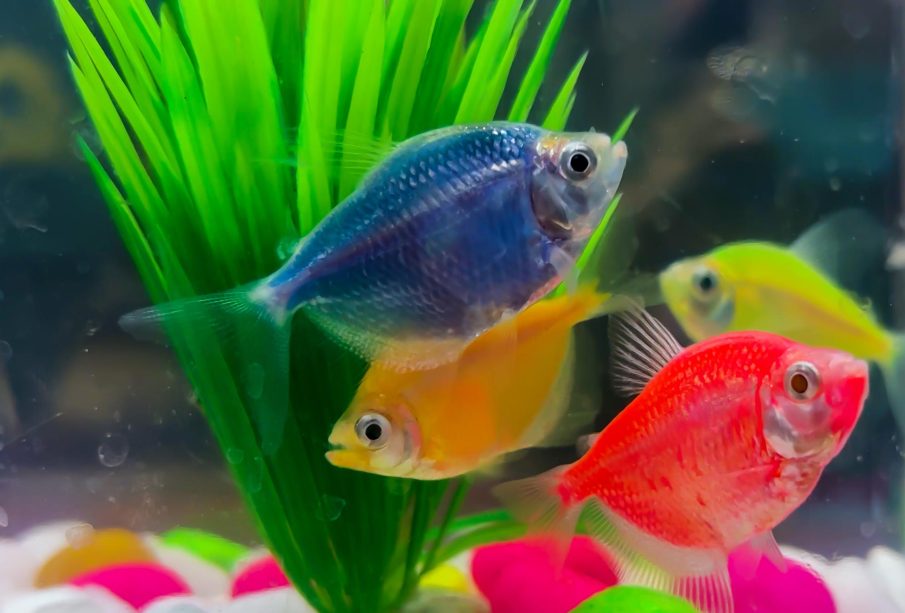
Companion animals enrich human lives in countless ways. They offer emotional support, reduce stress, and often become beloved members of the family. However, choosing the right animal and caring for it responsibly requires thoughtful planning, commitment, and knowledge. Understanding an animal’s needs before bringing it home ensures a healthier and happier relationship for both the owner and the pet.
Understanding What a Companion Animal Is
A companion animal is a domesticated animal kept primarily for company, emotional support, or enjoyment rather than for work or food. Common companion animals include:
- Dogs
- Cats
- Birds
- Fish
- Rabbits
- Hamsters and guinea pigs
- Reptiles
Each species has unique requirements, behaviors, and care needs. Selecting the right one depends on your lifestyle, living space, and available time.
Factors to Consider Before Choosing a Companion Animal
Selecting a pet should never be an impulsive decision. Careful evaluation ensures you choose an animal that fits well with your environment and routine.
Lifestyle Compatibility
Consider how active or busy your daily schedule is.
- Active individuals or families may enjoy dogs that require regular exercise.
- Busy professionals might prefer cats or fish, which often require less attention.
- People with limited mobility may benefit from low-maintenance animals.
Living Space
The type and size of your home can influence your choice.
- Apartments: cats, fish, small rodents, or small dog breeds.
- Homes with yards: medium or large dog breeds.
- Shared housing: quieter animals like fish or reptiles may be more suitable.
Time Commitment
Some animals require significantly more interaction and care than others.
- Dogs need daily walks, training, and companionship.
- Birds require mental stimulation and social interaction.
- Fish require tank maintenance but minimal physical interaction.
Financial Responsibility
Pet ownership includes ongoing expenses such as:
- Veterinary visits
- Vaccinations
- Food and treats
- Grooming
- Housing supplies and toys
Planning for these costs ensures you can provide long-term care.
Popular Companion Animals and Their Basic Needs
Dogs
Dogs are highly social animals that thrive on companionship.
Basic care needs:
- Daily exercise
- Balanced diet
- Training and socialization
- Regular veterinary checkups
- Grooming depending on breed
Dogs often form strong emotional bonds with their owners and can provide excellent companionship.
Cats
Cats are independent yet affectionate pets.
Key care requirements:
- Clean litter box
- Nutritious food
- Scratching posts and toys
- Routine veterinary care
- Safe indoor or supervised outdoor environment
Cats adapt well to apartment living and generally require less supervision than dogs.
Fish
Fish are among the most visually calming pets.
Care essentials:
- Properly sized aquarium
- Filtered and conditioned water
- Regular tank cleaning
- Appropriate fish food
- Monitoring water temperature and quality
Fish may not interact physically with owners, but they can create a relaxing home environment.
Small Mammals (Rabbits, Hamsters, Guinea Pigs)
These animals are popular for smaller homes.
Typical care includes:
- Secure cages or habitats
- Fresh vegetables and hay
- Clean bedding
- Gentle handling
- Regular habitat cleaning
They can be affectionate but require gentle care and supervision.
Preparing Your Home for a New Pet
Before bringing an animal home, preparation is essential.
Key steps include:
- Removing hazardous objects or toxic plants
- Setting up food and water stations
- Creating a designated sleeping area
- Buying necessary supplies (food bowls, cages, toys, litter boxes)
- Scheduling a veterinary visit
Preparing in advance helps the animal adjust quickly and comfortably.
Daily Care and Maintenance
Consistent care routines help maintain an animal’s physical and emotional well-being.
Nutrition
Proper diet is critical for long-term health.
- Provide species-appropriate food
- Maintain consistent feeding schedules
- Ensure access to fresh drinking water
Exercise and Mental Stimulation
Animals need both physical activity and mental engagement.
- Dogs require walks and playtime
- Cats enjoy interactive toys and climbing spaces
- Birds benefit from enrichment and social interaction
Hygiene and Grooming
Maintaining cleanliness prevents health issues.
- Regular brushing
- Nail trimming
- Bathing when necessary
- Cleaning living spaces and habitats
Veterinary Care
Routine health checkups are essential.
Veterinarians provide:
- Vaccinations
- Parasite prevention
- Health monitoring
- Advice on diet and behavior
Early medical attention can prevent serious health problems.
Building a Strong Human–Animal Bond
A meaningful relationship with a companion animal develops through consistent care, patience, and positive interaction.
Ways to strengthen this bond include:
- Spending quality time together
- Using positive reinforcement training
- Maintaining predictable routines
- Understanding the animal’s behavior and body language
Animals that feel safe and loved often show improved behavior and emotional connection with their owners.
Responsible Pet Ownership
Owning a companion animal is a long-term commitment. Responsible ownership means providing proper care throughout the animal’s life.
Responsible practices include:
- Spaying or neutering when appropriate
- Ensuring vaccinations are up to date
- Preventing abandonment
- Adopting animals from shelters when possible
- Educating family members about respectful handling
Responsible care contributes to both animal welfare and community well-being.
Common Mistakes New Pet Owners Should Avoid
Many challenges arise from lack of preparation.
Some common mistakes include:
- Choosing a pet based only on appearance
- Underestimating long-term costs
- Ignoring training or behavioral needs
- Skipping regular veterinary visits
- Leaving pets alone for long periods without stimulation
Avoiding these mistakes helps ensure a positive experience for both the owner and the animal.
Conclusion
Choosing and caring for a companion animal is a rewarding responsibility that brings joy, comfort, and companionship. The key to successful pet ownership lies in careful selection, preparation, and ongoing commitment to the animal’s well-being. By understanding the needs of different animals and providing proper care, individuals and families can build lasting relationships with their pets while improving their overall quality of life.
FAQs
1. What is the best companion animal for first-time pet owners?
Cats, small dogs, or fish are often recommended for beginners because they generally require less complex care compared to more demanding animals.
2. How long do companion animals typically live?
Lifespan varies by species. Dogs and cats may live 10–20 years, while smaller animals like hamsters may live only 2–3 years.
3. Is adopting a pet from a shelter a good option?
Yes. Shelters provide homes for animals in need, and many pets are already vaccinated or trained, making adoption both compassionate and practical.
4. How can I help my pet adjust to a new home?
Provide a quiet environment, consistent routines, familiar food, and gentle interaction during the first few days.
5. Do companion animals help improve mental health?
Many studies suggest pets can reduce stress, loneliness, and anxiety while promoting emotional well-being.
6. How often should pets visit a veterinarian?
Most pets should have at least one annual veterinary checkup, though young or older animals may require more frequent visits.
7. What should I do if my pet shows unusual behavior?
Sudden changes in behavior may indicate illness, stress, or environmental changes. Consulting a veterinarian or animal behavior specialist is recommended.


