Dental Implants vs. Dentures: Which Is Right for You?
Tooth loss can affect more than just your appearance. It can impact your ability to chew, speak clearly, and maintain oral health. Fortunately, modern dentistry offers effective solutions to restore missing teeth. Two of the most common options are dental implants and dentures.
While both treatments replace missing teeth, they differ significantly in structure, durability, cost, and maintenance. Understanding these differences can help you determine which option best suits your lifestyle and oral health needs.
What Are Dental Implants?
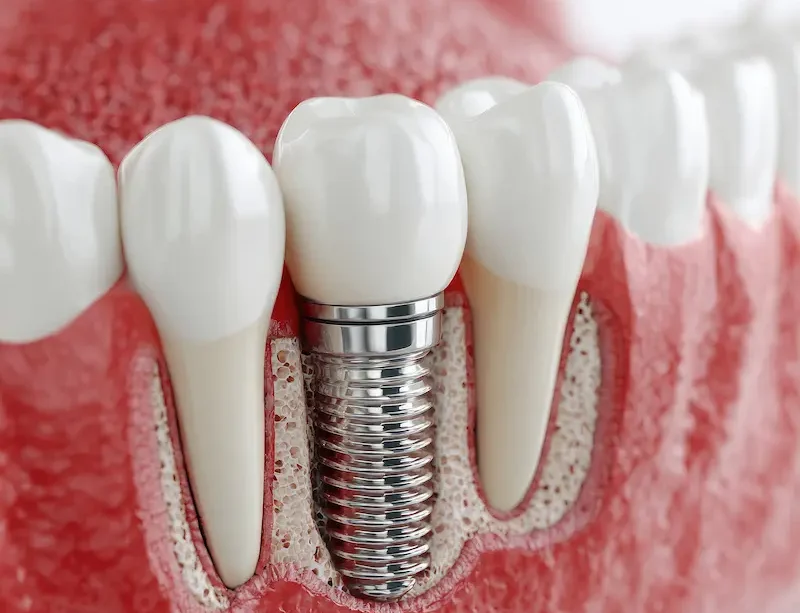
Dental implants are permanent tooth replacements designed to function like natural teeth. They involve a small titanium post surgically inserted into the jawbone, which acts as an artificial tooth root.
Once the implant integrates with the bone, a custom-made crown is attached to the top.
Key Features of Dental Implants
- Surgically placed into the jawbone
- Designed to last 20 years or longer with proper care
- Provide strong support for crowns, bridges, or implant-supported dentures
- Help prevent bone loss in the jaw
Advantages of Dental Implants
1. Natural look and feel
Implants mimic the appearance and function of real teeth, making them one of the most natural-looking replacement options.
2. Long-term durability
With proper oral hygiene, implants can last decades.
3. Better chewing efficiency
Because they are anchored in the jawbone, implants allow you to eat a wide range of foods comfortably.
4. Bone preservation
Implants stimulate the jawbone, helping prevent bone deterioration that often occurs after tooth loss.
Potential Drawbacks
- Higher upfront cost
- Requires minor oral surgery
- Healing time may take 3–6 months
What Are Dentures?
Dentures are removable prosthetic devices designed to replace missing teeth and surrounding tissue. They are typically made from acrylic resin, sometimes combined with metal attachments.
Dentures come in two primary forms: complete dentures and partial dentures.
Types of Dentures
Complete Dentures
Used when all teeth in the upper or lower jaw are missing.
Partial Dentures
Designed for people who still have some natural teeth remaining.
Advantages of Dentures
1. More affordable option
Dentures generally cost less than implants.
2. Non-surgical solution
They do not require surgery, making them suitable for patients who cannot undergo implant procedures.
3. Faster treatment process
Dentures can often be fitted within a few weeks.
4. Suitable for extensive tooth loss
Ideal for individuals missing many or all teeth.
Potential Drawbacks
- May feel loose or uncomfortable
- Require daily removal and cleaning
- Can reduce chewing strength
- May contribute to jawbone shrinkage over time
Key Differences Between Dental Implants and Dentures
| Feature | Dental Implants | Dentures |
|---|---|---|
| Permanence | Fixed and permanent | Removable |
| Procedure | Requires surgery | Non-surgical |
| Longevity | 20+ years | 5–10 years |
| Comfort | Feels like natural teeth | May shift or slip |
| Maintenance | Brush and floss like natural teeth | Must be removed for cleaning |
| Cost | Higher initial investment | Lower upfront cost |
Factors to Consider Before Choosing
Choosing between implants and dentures depends on several personal and medical factors.
1. Oral Health and Bone Density
Dental implants require sufficient jawbone density to support the implant. If bone loss has already occurred, additional procedures such as bone grafting may be necessary.
2. Budget
Implants generally cost more initially, but they may be more cost-effective long term because they last longer than dentures.
3. Lifestyle Preferences
If you prefer a permanent solution that feels like natural teeth, implants are often the preferred option. Dentures may work better for those seeking a quick and non-invasive replacement.
4. Age and Overall Health
Certain health conditions or medications may affect healing after implant surgery. In such cases, dentists may recommend dentures instead.
Who Is a Good Candidate for Dental Implants?
You may be a strong candidate if you:
- Have healthy gums
- Possess adequate jawbone density
- Maintain good oral hygiene habits
- Do not smoke heavily
- Are in overall good health
Who Might Benefit More From Dentures?
Dentures may be a better choice if you:
- Have significant bone loss
- Need an affordable solution
- Want to avoid surgery
- Require replacement for multiple missing teeth quickly
Maintenance and Care
Proper care extends the lifespan of both implants and dentures.
Caring for Dental Implants
- Brush twice daily using a soft toothbrush
- Floss regularly
- Visit your dentist for routine checkups
- Avoid excessive force on the implant area
Caring for Dentures
- Remove and rinse after eating
- Clean with a non-abrasive denture cleanser
- Soak dentures overnight
- Handle carefully to prevent breakage
Which Option Is Better?
There is no universal answer. The best choice depends on oral health, budget, personal comfort, and long-term goals.
In general:
- Dental implants offer superior stability, durability, and natural function.
- Dentures provide a practical and affordable solution, especially for patients who cannot undergo surgery.
A consultation with a qualified dentist is the most reliable way to determine which treatment aligns with your needs.
Frequently Asked Questions (FAQs)
1. How long do dental implants typically last?
With proper care and regular dental visits, dental implants can last 20 years or longer, and many last a lifetime.
2. Are dentures uncomfortable to wear?
Modern dentures are designed for improved comfort, but some users may experience initial soreness or looseness while adjusting.
3. Can dentures be replaced with implants later?
Yes. Many patients start with dentures and later transition to implant-supported restorations if their oral health allows.
4. Do dental implants require special cleaning products?
No special products are usually necessary. Regular brushing, flossing, and dental checkups are typically sufficient.
5. Can you eat normally with dentures?
You can eat most foods, but hard or sticky foods may require caution compared with natural teeth or implants.
6. Are dental implants safe?
Dental implants have a **high success rate—often above 95%—**when placed by experienced dental professionals.
7. How long does it take to adjust to dentures?
Adjustment periods vary, but most people adapt within a few weeks to a few months as the mouth becomes accustomed to the prosthetic.