

The Evolution of the Automobile Industry and Its Impact on Modern Transportation
The automobile industry has played a transformative role in shaping modern transportation and global economic development. From the first gasoline-powered vehicles to today’s advanced electric and autonomous cars, automobiles have continuously evolved to meet changing technological, environmental, and consumer demands.
Today, the auto sector stands at the center of innovation. Advances in electric mobility, connectivity, and safety technology are redefining how people travel, commute, and interact with vehicles.
Understanding the Automobile Industry
The automobile industry involves the design, manufacturing, marketing, and maintenance of motor vehicles. It includes passenger cars, trucks, buses, and specialized vehicles used for commercial and industrial purposes.
The industry consists of several major components:
- Vehicle manufacturers that design and build automobiles
- Parts suppliers that produce components such as engines, batteries, and electronics
- Dealership networks that sell vehicles to consumers
- Maintenance and service providers that support vehicle upkeep
Together, these sectors create one of the largest and most influential industries in the world.
Key Milestones in Automotive Development
Automobile technology has evolved significantly over the past century.
Early Mechanical Vehicles
Early vehicles relied on simple mechanical systems and internal combustion engines. These cars provided basic mobility but lacked safety features and fuel efficiency.
Mass Production
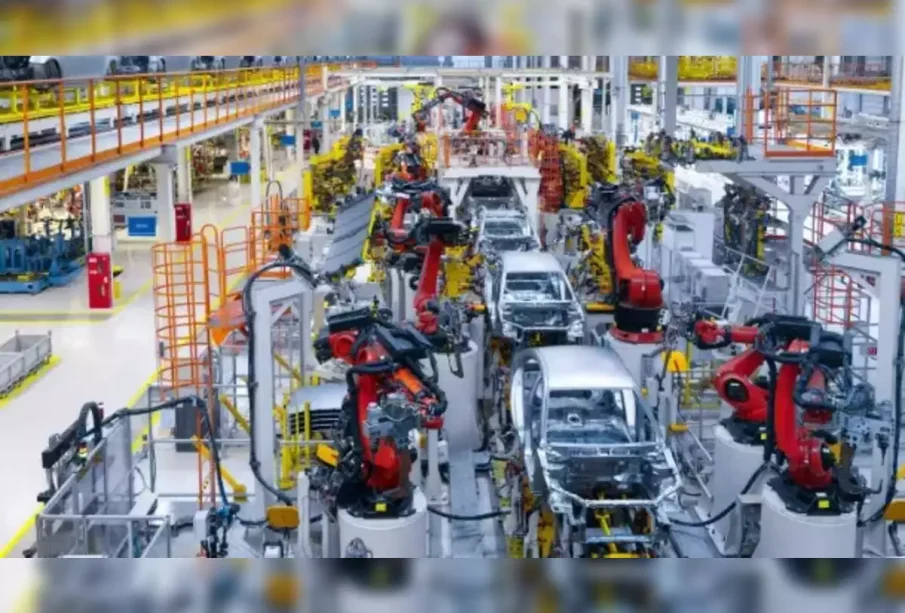
The introduction of assembly-line manufacturing made cars affordable for the general public. Mass production dramatically increased vehicle availability and lowered production costs.
Safety Improvements
Over time, manufacturers introduced features designed to improve driver and passenger safety.
Important innovations include:
- Seat belts
- Airbags
- Anti-lock braking systems (ABS)
- Electronic stability control
These advancements have significantly reduced road fatalities and injuries.
Digital Integration
Modern vehicles now include advanced electronic systems such as:
- Navigation systems
- Touchscreen infotainment
- Driver assistance technologies
- Smartphone connectivity
These features improve both safety and user experience.
The Rise of Electric Vehicles
Electric vehicles (EVs) represent one of the most significant shifts in the auto industry.
Unlike traditional vehicles powered by gasoline or diesel engines, EVs run on electric motors powered by rechargeable batteries.
Advantages of Electric Vehicles
Electric vehicles offer several benefits:
- Lower carbon emissions
- Reduced fuel costs
- Quieter operation
- Lower maintenance requirements
As battery technology improves, EVs are becoming more affordable and practical for everyday use.
Growing Global Adoption
Governments and manufacturers around the world are investing heavily in electric mobility. Many countries are setting long-term goals to reduce dependence on fossil fuels and encourage sustainable transportation.
Autonomous and Smart Vehicles
Another emerging trend is the development of autonomous or self-driving vehicles. These vehicles use advanced sensors, artificial intelligence, and software to navigate roads with minimal human input.
Key technologies enabling autonomous driving include:
- Radar and lidar sensors
- Computer vision systems
- Machine learning algorithms
- High-definition mapping
While fully autonomous vehicles are still under development, many modern cars already include semi-autonomous driver assistance features.
Environmental Challenges and Sustainability
The auto industry faces increasing pressure to reduce environmental impact. Traditional vehicles contribute significantly to air pollution and greenhouse gas emissions.
To address these concerns, manufacturers are exploring sustainable solutions such as:
- Electric and hybrid vehicles
- Hydrogen fuel cell technology
- Lightweight materials to improve fuel efficiency
- Recycling and sustainable manufacturing processes
These initiatives aim to create cleaner transportation systems while maintaining performance and convenience.
Future Trends in the Automotive Industry
The future of the automobile industry will likely be shaped by several transformative trends.
Electrification
Electric vehicles are expected to become more common as battery technology improves and charging infrastructure expands.
Connected Cars
Vehicles will increasingly connect to the internet, enabling features such as:
- Real-time traffic updates
- Remote diagnostics
- Vehicle-to-vehicle communication
- Over-the-air software updates
Shared Mobility
Ride-sharing and car-sharing services are changing how people use vehicles, particularly in urban areas.
Artificial Intelligence Integration
AI will enhance vehicle safety, predictive maintenance, and autonomous driving capabilities.
Conclusion
The automobile industry continues to evolve rapidly as new technologies reshape transportation. Electric mobility, autonomous driving, and digital connectivity are transforming how vehicles are designed and used.
As environmental concerns and technological innovation drive change, the future of automobiles will likely focus on sustainability, efficiency, and smarter transportation systems. The industry’s ability to adapt to these challenges will determine the next generation of mobility solutions.
Frequently Asked Questions (FAQs)
1. What is the automobile industry?
The automobile industry includes companies and organizations involved in designing, manufacturing, selling, and maintaining motor vehicles such as cars, trucks, and buses.
2. What are the main types of vehicles produced in the auto industry?
The industry produces passenger cars, commercial vehicles, electric vehicles, hybrid vehicles, and specialized vehicles used for industrial and transportation purposes.
3. Why are electric vehicles becoming popular?
Electric vehicles are gaining popularity because they produce lower emissions, require less maintenance, and offer long-term fuel cost savings.
4. What is an autonomous vehicle?
An autonomous vehicle is a car that can operate with minimal or no human input using technologies such as sensors, cameras, and artificial intelligence.
5. How does the automobile industry affect the global economy?
The industry generates millions of jobs, supports manufacturing and supply chains, and contributes significantly to national economies through production and exports.
6. What technologies are shaping the future of automobiles?
Major technologies include electric powertrains, artificial intelligence, connected vehicle systems, autonomous driving technologies, and advanced safety systems.
7. What challenges does the auto industry face today?
Key challenges include reducing carbon emissions, adapting to new technologies, managing supply chain disruptions, and meeting changing consumer expectations.


