

The Role of Education in Shaping a Progressive Society
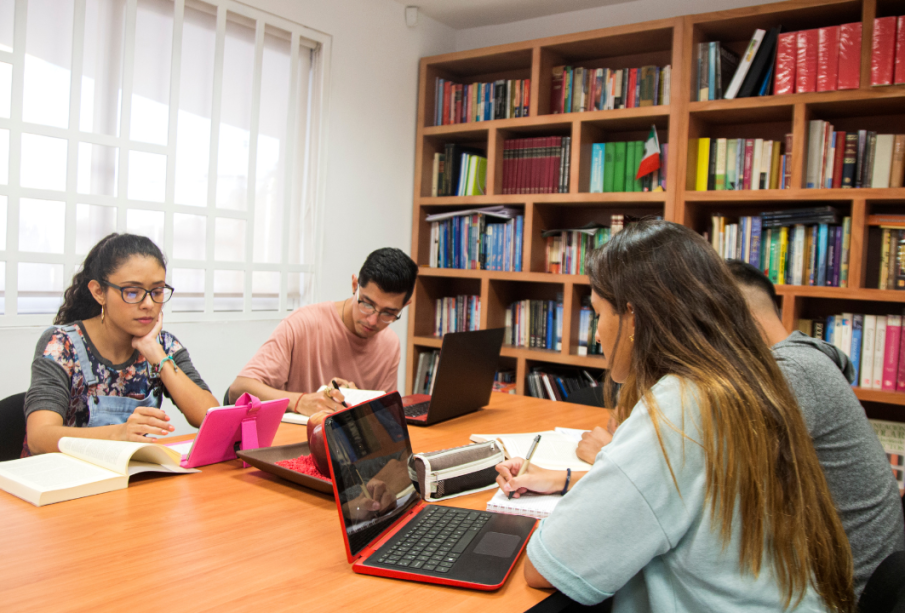
Education is widely recognized as one of the most powerful tools for personal growth and societal development. It equips individuals with knowledge, critical thinking skills, and the ability to adapt to a rapidly changing world. From early childhood learning to higher education and lifelong learning, education plays a central role in shaping responsible citizens, innovative thinkers, and capable professionals.
A strong educational foundation benefits not only individuals but also communities and entire nations. It supports economic progress, promotes social equality, and encourages cultural understanding.
What Is Education?
Education is the structured process of acquiring knowledge, skills, values, and habits through teaching, training, research, or practical experience. It occurs in both formal and informal environments.
Common forms of education include:
- Formal education: Structured learning provided by schools, colleges, and universities.
- Informal education: Learning gained through daily life experiences, family interactions, or self-study.
- Non-formal education: Organized learning outside traditional institutions, such as vocational courses or workshops.
Each form contributes to personal development and the acquisition of essential life skills.
Importance of Education in Modern Society
Education influences nearly every aspect of modern life. It provides individuals with opportunities while strengthening the social and economic structure of communities.
1. Personal Development
Education helps individuals develop intellectual abilities and emotional maturity.
Key benefits include:
- Improved critical thinking and problem-solving skills
- Enhanced communication and social abilities
- Increased confidence and independence
An educated individual is better prepared to make informed decisions and navigate complex situations.
2. Economic Growth
A well-educated population contributes directly to a country’s economic success. Skilled professionals drive innovation, productivity, and entrepreneurship.
Education supports economic development by:
- Creating qualified workers
- Encouraging technological advancement
- Increasing employment opportunities
Countries that invest in education typically experience higher levels of economic stability.
3. Social Equality
Education plays a crucial role in reducing social and economic inequalities. When people from different backgrounds gain access to quality education, they are more likely to achieve financial independence and social mobility.
It promotes equality by:
- Expanding opportunities for underprivileged communities
- Reducing poverty levels
- Encouraging gender equality
Equal access to education helps create a more just and balanced society.
4. Civic Awareness and Responsible Citizenship
Education teaches individuals about their rights, responsibilities, and roles within society. Educated citizens are more likely to participate in democratic processes and contribute positively to their communities.
It fosters:
- Awareness of laws and social issues
- Respect for diversity and cultural differences
- Active participation in community development
5. Technological and Scientific Advancement
Modern education encourages innovation and scientific research. Universities and research institutions are responsible for many technological breakthroughs that improve everyday life.
Education fuels progress in areas such as:
- Artificial intelligence
- Medical research
- Environmental sustainability
- Engineering and infrastructure
Without strong educational systems, technological advancement would slow dramatically.
The Impact of Digital Education
Technology has transformed the way people learn. Digital tools have made education more accessible, flexible, and interactive.
Some major advantages of digital learning include:
- Online courses and remote learning
- Access to global educational resources
- Interactive learning platforms
- Flexible learning schedules
Digital education allows students from remote areas to access quality learning opportunities that were previously unavailable.
Challenges in Education Systems
Despite its importance, education systems around the world face several challenges.
Limited Access to Quality Education
In many regions, students still struggle with:
- Insufficient school infrastructure
- Lack of qualified teachers
- Limited learning materials
Rising Education Costs
Higher education can be expensive, preventing many students from continuing their studies.
Digital Divide
While online learning has grown rapidly, not everyone has reliable access to internet connectivity or digital devices.
Addressing these challenges requires government policies, community support, and innovative educational solutions.
The Future of Education
Education continues to evolve as societies change. Future learning models are expected to become more personalized, technology-driven, and skill-oriented.
Key trends shaping the future include:
- Artificial intelligence in education
- Virtual and augmented reality learning
- Skills-based and career-focused education
- Lifelong learning opportunities
As industries transform, education systems must adapt to prepare learners for new types of careers and global challenges.
Conclusion
Education is far more than classroom learning—it is a lifelong journey that shapes individuals, strengthens communities, and drives national development. By providing knowledge, skills, and opportunities, education empowers people to build better futures for themselves and society.
Investing in quality education is one of the most effective ways to promote economic growth, social stability, and innovation. As the world continues to change, education will remain the foundation for progress and human advancement.
Frequently Asked Questions (FAQs)
1. Why is education important for personal growth?
Education develops critical thinking, communication abilities, and self-confidence, enabling individuals to make informed decisions and pursue meaningful goals.
2. How does education contribute to economic development?
Education creates skilled workers, encourages innovation, and improves productivity, which strengthens national economies and increases employment opportunities.
3. What is the difference between formal and informal education?
Formal education occurs in structured institutions such as schools and universities, while informal education happens through daily experiences, social interactions, and self-learning.
4. How has technology changed modern education?
Technology has introduced online learning platforms, digital classrooms, and interactive tools that allow students to learn remotely and access educational resources worldwide.
5. What are the biggest challenges facing education systems today?
Major challenges include unequal access to quality education, high education costs, lack of infrastructure in some regions, and the digital divide.
6. What skills should modern education focus on?
Modern education should emphasize critical thinking, creativity, digital literacy, collaboration, and adaptability to prepare students for future careers.
7. Can education help reduce poverty?
Yes. Education increases employment opportunities, improves income potential, and helps individuals achieve financial independence, which contributes to poverty reduction.


